
Jharkhand: Natural Beauty and Tourism :-
Introduction to Jharkhand
Jharkhand is a key state in India. Jharkhand is renowned for its cultural diversity, natural wealth, and industrial growth. The state of Jharkhand means land, which clearly indicates the state’s geography and environment. This state of Jharkhand, India, was formed by secession on November 15, 2000.
The uniqueness of Jharkhand can be understood from many perspectives. Jharkhand is full of natural resources. The scenery there is so beautiful that I feel like I have to see it. Jharkhand is rich in mineral deposits. Minerals like iron, copper, bauxite, and uranium are found in Jharkhand. Jharkhand is important for the industrial development of the entire country. Jharkhand can also be called the mineral wealth of India. Jharkhand is rich in forests, mountains, and mineral wealth.
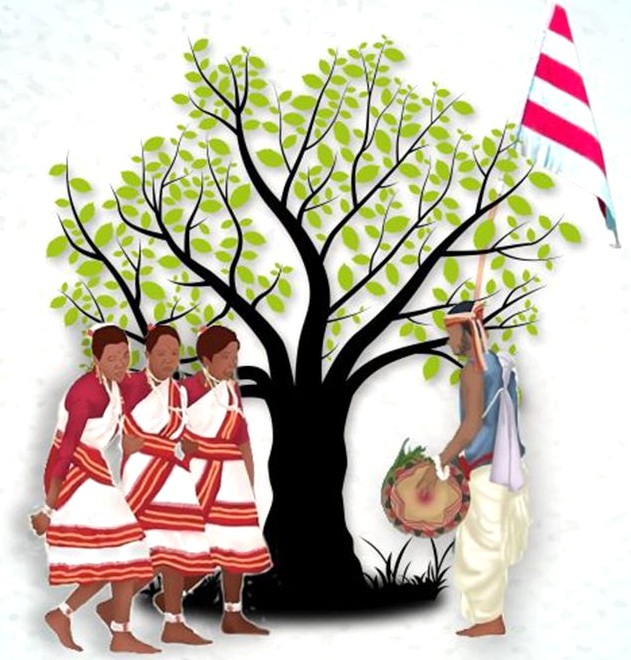
Apart from Jharkhand, cities like Jamshedpur, Bokaro, and Dhanbad are also well known for their mineral resources. Tata Steel Company is located in Jamshedpur. This makes a huge contribution to the development of the country. Jharkhand is also very vast in terms of cultural importance. Many tribal tribes also reside in Jharkhand.
Tribes like Santhal, Munda, Orwan, and Hall live in Jharkhand. The traditional folk dances and folk music of the tribal people give the state a unique identity. The people of Jharkhand live a life more in harmony with nature. Nature also holds a special place in festivals in Jharkhand.
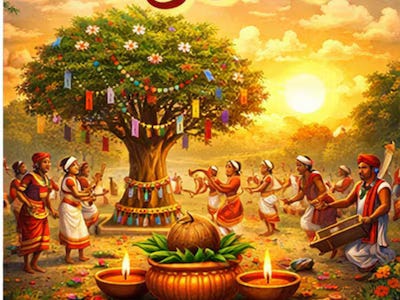
Jharkhand stands out for its rich natural beauty and scenic landscapes. Tourists visit the state to explore its springs, dense forests, and rolling hills. Popular attractions such as Hundru Falls, Dassam Falls, and Betla National Park draw visitors from across the country.
Industrial Development
Tourism plays an important role in Jharkhand’s economy and supports its overall development. Among its cultural highlights, Sarhul is the most important festival in the state. Tribal communities, especially the Munda, Oraon, and Santhal tribes, celebrate Sarhul with great enthusiasm and devotion.
People celebrate this festival during the spring season and dedicate it to the worship of nature and trees. During Sarhul, they express gratitude to nature, especially trees and rivers, for providing essential resources for life. On this day, people worship sacred trees and strengthen their bond with the natural world. The Sarhul festival beautifully reflects the deep connection between humans and nature in Jharkhand.
The tribal people of Jharkhand pray to God for happiness, peace, and prosperity in their lives. During the sacred festival of Sarhul, they wear traditional clothes and perform vibrant folk dances. People celebrate the festival with drum beats and lively processions through towns and villages. Villagers also organize large fairs, where everyone gathers to enjoy and celebrate together.
People actively take part in the festivities and share moments of joy and togetherness. The Sarhul festival strengthens brotherhood and social unity among the people of Jharkhand. It also delivers an important message about protecting the environment. In today’s modern world, people continue to harm nature, but festivals like Sarhul encourage awareness and responsibility toward it.
Sarhul teaches people to respect and protect the environment. Jharkhand stands out for its natural resources, industrial growth, and cultural diversity. The Sarhul festival keeps the state’s traditions and lifestyle alive. Jharkhand is not just a state; it represents a unique blend of nature, culture, and strong human connections.
Women’s Traditional Attire in Sarhul Festival of Jharkhand :-
Sarhul Outfit for Women: The Sarhul festival in Jharkhand holds a special place in tribal communities. People celebrate this festival to worship nature, especially the sacred sal tree. On this occasion, women preserve their culture and identity by wearing traditional attire. Their outfits reflect a beautiful blend of simplicity, elegance, and tradition.
During the Sarhul festival, tribal women in Jharkhand mainly wear sarees and drape them in a unique style. They choose cotton sarees in red, white, and sometimes green. The colors carry deep meaning—white represents purity and peace, while red symbolizes strength and energy. Together, these colors highlight a strong connection with nature.
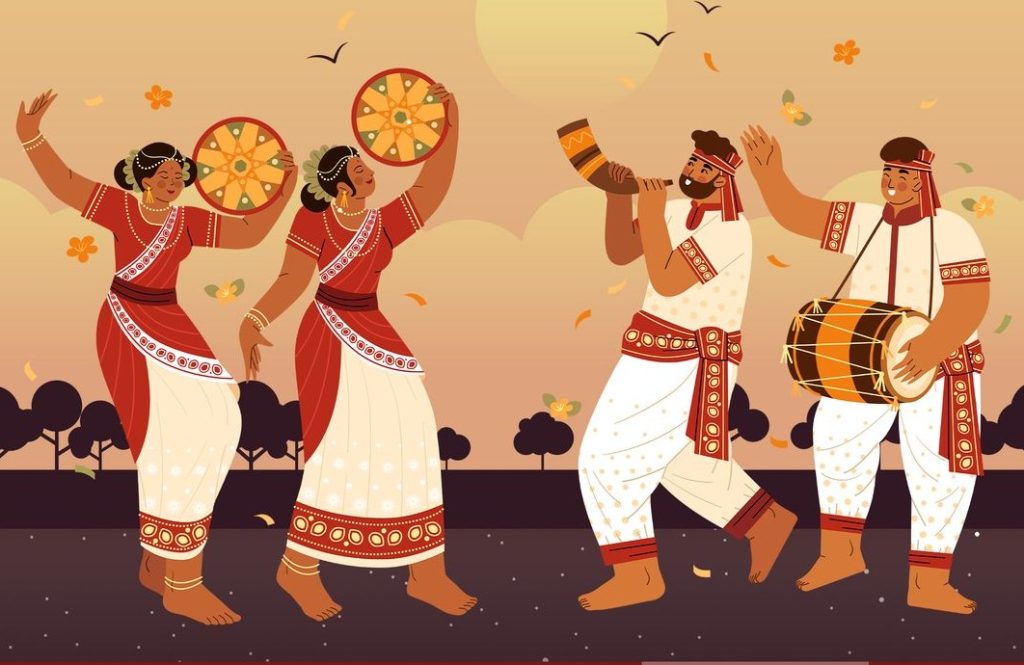
Women of the Munda and Oraon castes wear a special type of saree during the Sarhul festival, known locally as “Pichhiya” or “Parhan.” They usually drape this saree up to the knees or slightly below and tie it with a special knot, which makes it comfortable for dancing. During the Sarhul festival, women perform group dances called “Jhumar,” and they choose this attire because it allows them to move freely and dance with ease.
Cultural Identity Reflected in Women’s Attire During Sarhul
During the Sarhul festival, women enhance their beauty with traditional jewellery along with their attire. They prefer silver jewellery on this auspicious occasion, including necklaces, bangles, earrings, and nose rings. These ornaments add charm and attractiveness while reflecting cultural values. Women consider silver jewellery an important part of their tradition, making it an integral element of the Sarhul festival.
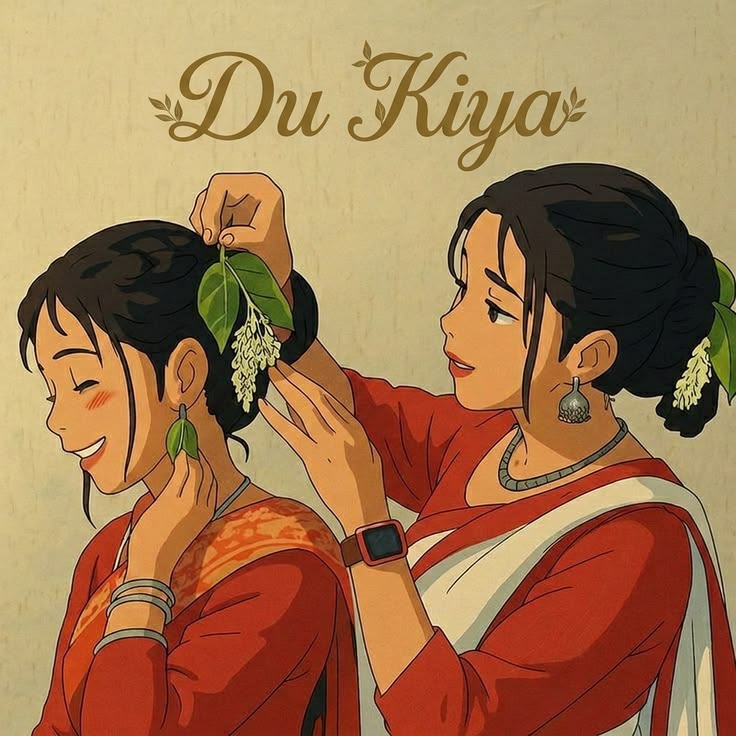
Flowers also play a significant role in women’s adornment and festive decoration. During the Sarhul festival, people decorate their surroundings with sak flowers and other wildflowers. These seasonal flowers symbolize love and a deep connection with nature. By decorating their homes and spaces with flowers, they add beauty, respect, and charm to the celebration.
Natural Beauty: Use of Flowers in Sarhul Festival :-
During this Sarhul festival of Jharkhand, women also apply simple makeup on their faces. But it is very simple and natural. Sarhuol Outfit For Women They use kurti colours in their makeup. Apart from that, they maintain their traditional identity. Tradition and communal joy are more important than appearances on this festival of Jharkhand.
Apart from this, there is a slight variation in each caste, but one thing is common among all — they represent their tradition and culture with pride.
https://shorturl.fm/bEp6o