
Famous Traditional Dresses for Women in India
Traditional Wear For Women About For Most fashion houses are found in Mumbai. Lakme Fashion Week House is considered one of the main fashion investment houses in India. This fashion house holds its shows twice a year in Mumbai. The first event is held in April and features the summer collection. And the second program takes place in August, which features the winter collection. Designers use choices such as embroidery styles and weaving techniques for contemporary clothing. This fashion house was started in 1990.
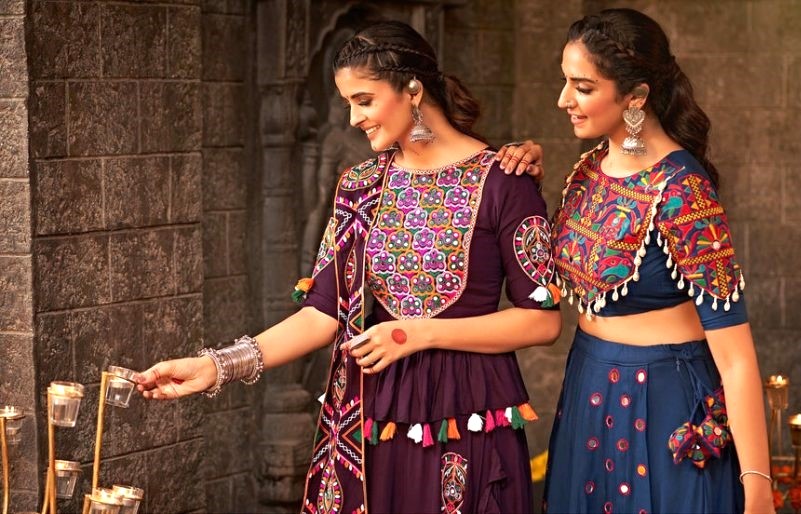
Women’s clothing from ancient traditions holds special significance. In India, people use this attire not only to cover the body but also to express culture, respect, social status, and identity. However, many people in the modern world no longer value India’s traditions, culture, respect, and social status. An old man works as a street vendor on a crowded street. Many people walk along the road, and many girls with long hair can be seen there. Some people consider the girls very beautiful. A half-naked body means a body without proper clothing. In the past, girls and boys showed a natural beauty that people rarely see in modern times. The saree remains the most ancient and popular piece of women’s clothing and still holds great importance.
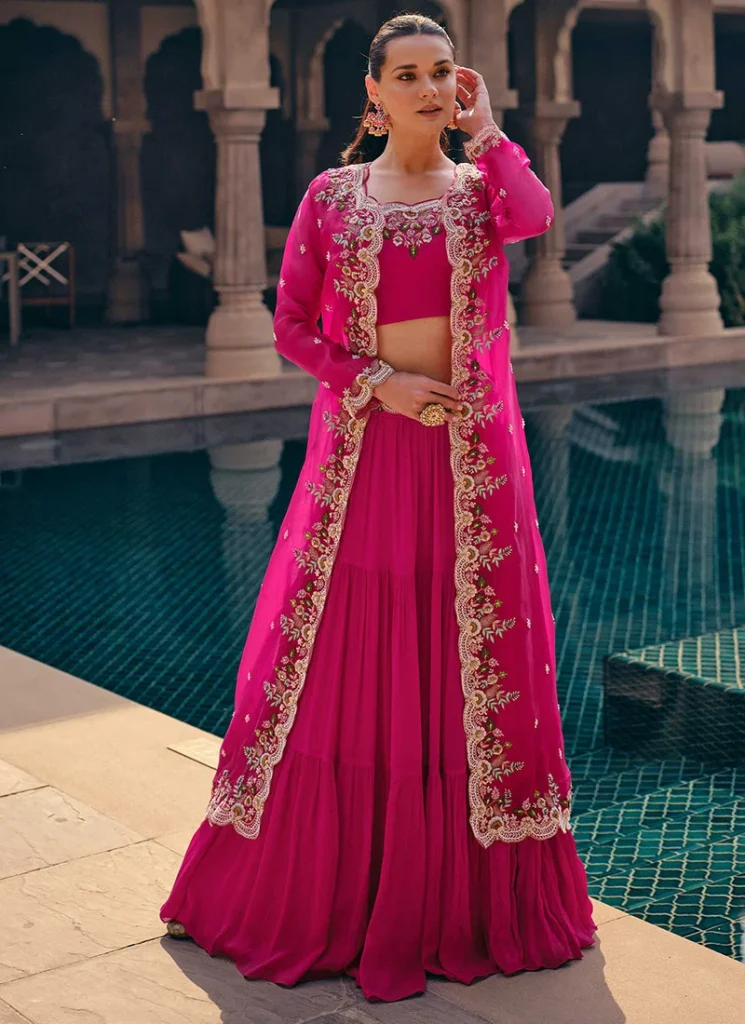
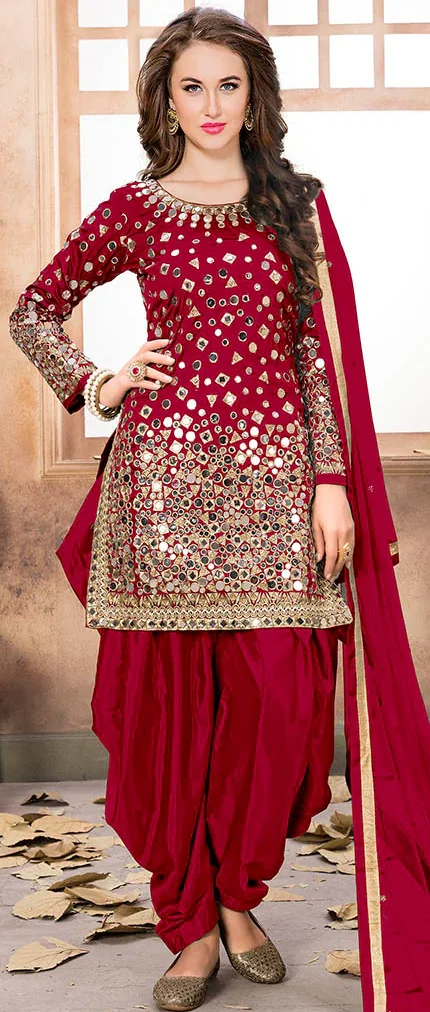
Traditional clothing is a depiction of history, beliefs, and social values. Traditional Wear for Women is a depiction of history, beliefs, and social values. Fashion designers have drawn inspiration from these garments.
This year, a unique design has been created by combining inventiveness with contemplation of both the past and the present. However For example, mourning, spirituality, and precision can be present. Furthermore The design represents strength, protection, Designed and unity. Fashion designers understand these elements as important and study them before adding them.
Fashion designers should respect and honor traditional wear fabrics. Nevertheless, Tailored Fashion designers should respect and honour traditional fabrics. Generally, traditional clothes are made of natural sand. Natural colors, hand-woven, embroidery, etc. Use of materials. These methods are more conducive to fashion and encourage slow fashion rather than fast fashion. Modern designers are increasingly embracing traditional wear techniques, which reduces environmental impact and allows for more robust designs.
-:Traditional Wear for Women Choli :-
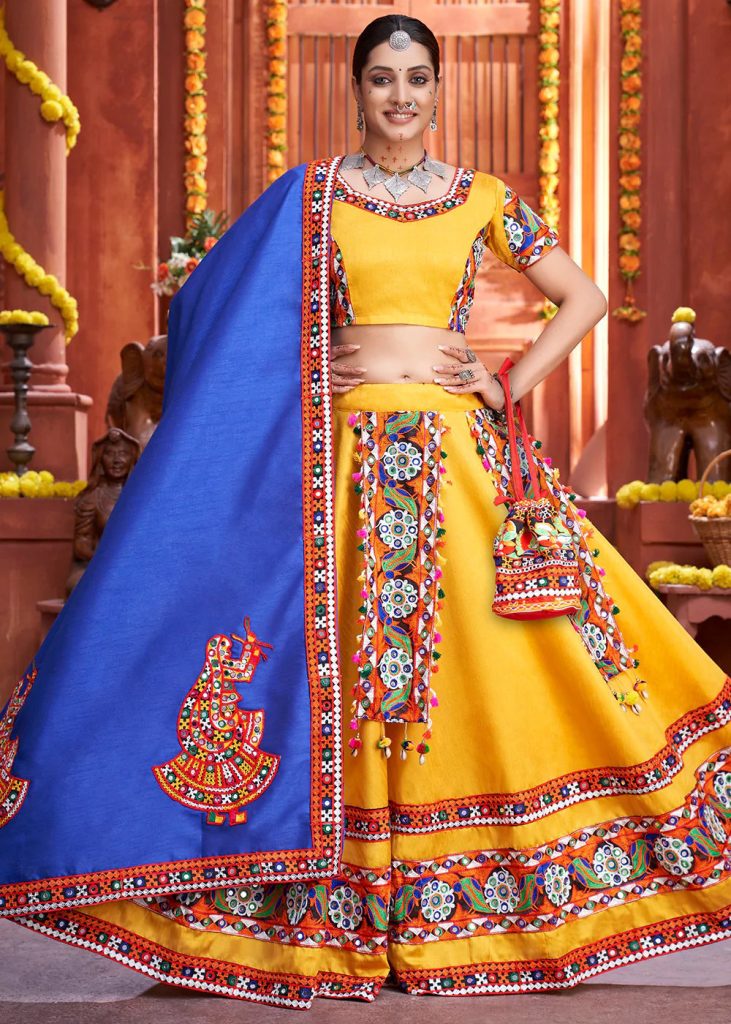
During festivals like Diwali and Navratri, people wear exquisite traditional clothes to commemorate their loved ones. Like Diwali, girls wear dresses, lehengas, and women wear saris. Then, during the festival of Navratri, women and girls wear Chaniya Choli and play Garba. And men wear Kediyu and Dhoti. A portfolio, an interview pass if possible, and a 3-year diploma are required. Anyone can pursue fashion design. Degrees, certificates, and jobs can also be obtained from colleges or private institutes. The seven basic elements of fashion design are shape, color, space, form, line, value, and self-contained.
The saree measures about five to nine yards in length, and women wear it in many different styles. People in different regions of India drape sarees in their own traditional ways. In ancient times, artisans made sarees from cotton and silk. In Gujarat, people highly value sarees such as Bandhni, Patola, and Gharcholu. Skilled artisans created these sarees by hand and added beautiful patterns. They also decorated Patola sarees with gold and silver threads, which makes them very expensive and sometimes worth as much as one lakh rupees.
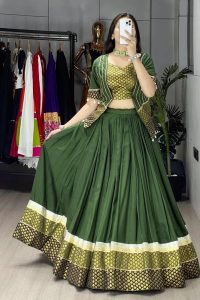
Another important traditional garment for women is the ghagra choli. Women in Rajasthan and Gujarat have worn this attire since ancient times. The ghagra is a long, wide skirt, while the choli is a small blouse that covers the upper body. Women usually wear a scarf or dupatta along with the ghagra and choli.
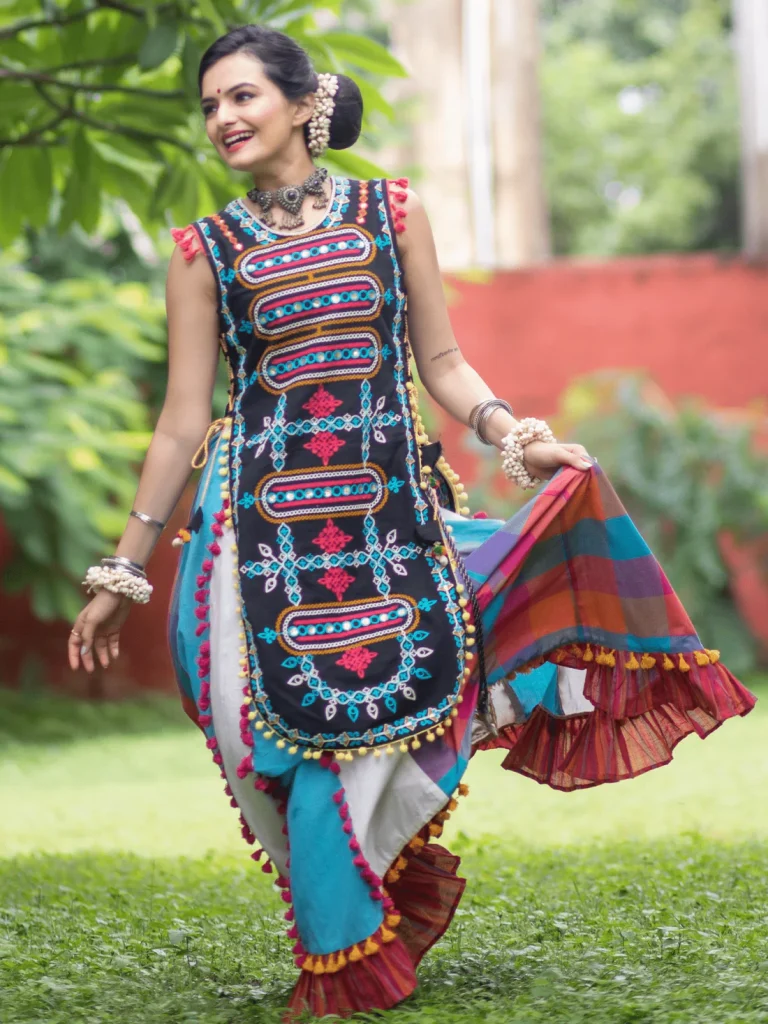
Women in earlier times created designs such as Kathiawadi embroidery, mirror work, and detailed handwork on these garments. They spent many days making these clothes, so they took great care of them. Women usually wear such special clothing during weddings, festivals, events, and folk dances. In the regions of Gujarat and Kutch, people highly value designer garments like Abha and Kachhai. The women of Kutch are famous for their beautiful handicrafts. They create amazing designs on clothing with colorful threads. These garments look beautiful and also represent tradition and family identity.
In South India, women traditionally wear half or full Langa Voni. This dress has three parts: a skirt (lenga), a blouse, and a scarf. Marriage held great importance for young girls in earlier times. As they grew older, they began wearing sarees instead of lehengas.
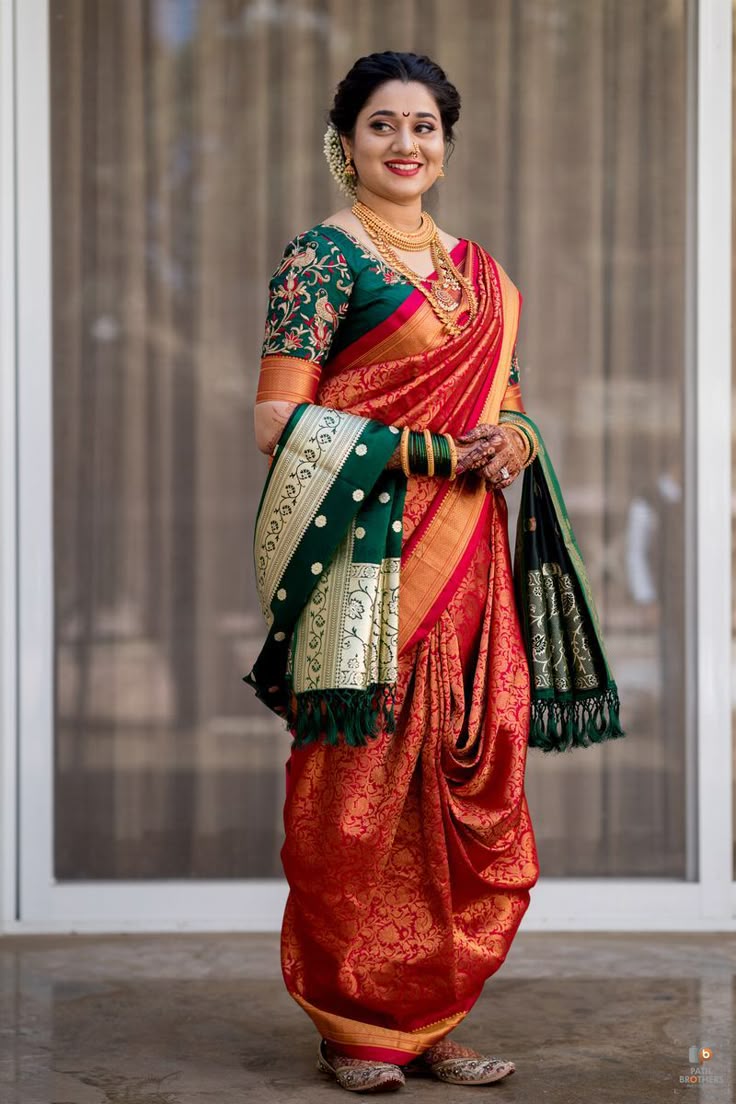
In Maharashtra, women traditionally wear the Navratri saree, which is very popular in India. This saree measures about nine yards in length and differs from the usual style. Women drape it in a way that allows them to move freely and work comfortably. In the past, women who worked in farming and household chores preferred this saree because it provided comfort and flexibility.
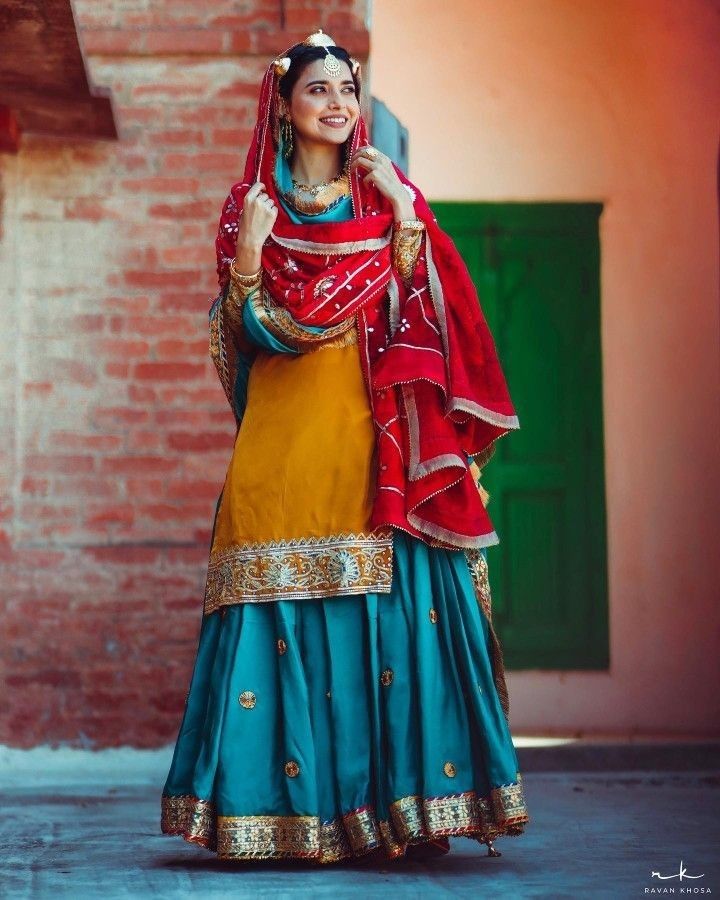
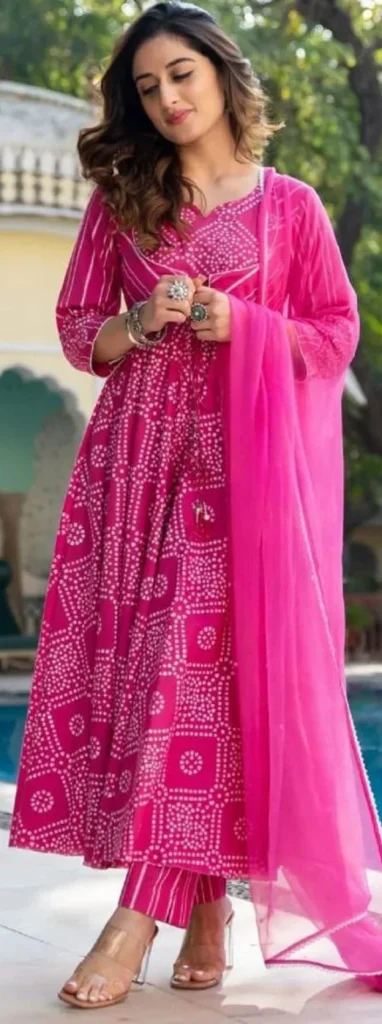
In Punjab, women commonly wear a salwar kameez with a dupatta. The salwar is a loose pant, and women pair it with a long top called a kameez. This outfit feels very comfortable and suits daily wear. Designers often add beautiful patterns and floral embroidery to these garments.
In ancient times, people used interesting traditional methods to make clothes. Most artisans made garments by hand. They also used natural dyes such as indigo, turmeric, mehndi, and flowers to color fabrics. Traditional women’s clothing did more than follow fashion; it expressed culture, tradition, and social identity. Each region designed clothing according to its climate, environment, and lifestyle. Even today, women proudly wear traditional garments during weddings, festivals, and cultural programs.
Traditional women’s clothing forms an important part of Indian heritage. These garments represent more than clothing; they reflect history, art, and culture. Even in the modern fashion era, people continue to admire these traditional outfits, and the younger generation proudly adopts them.
Modern fashion also includes many ethnic styles. Designers now combine sustainability, comfort, and modern elegance in traditional wear. In 2026, popular ethnic fashion includes tulle lehengas, fishtail-style lehengas, pastel-colored kurta sets, and elegant coordinated outfits suitable for modern celebrations.
Today’s fashion world shows many different dress styles. Crop tops and bodysuits have become very popular among women and girls. These outfits often combine traditional and modern elements. Women enjoy wearing them at weddings, parties, festivals, and special events.
A sharara suit is another traditional outfit. A sharara is a wide, flared bottom garment that spreads out from the knee downward. Designers usually make shararas from fabrics such as silk, georgette, chiffon, and satin. The Mughal royal women first popularized this style. In modern times, designers have brought the sharara back into fashion with new styles and designs.
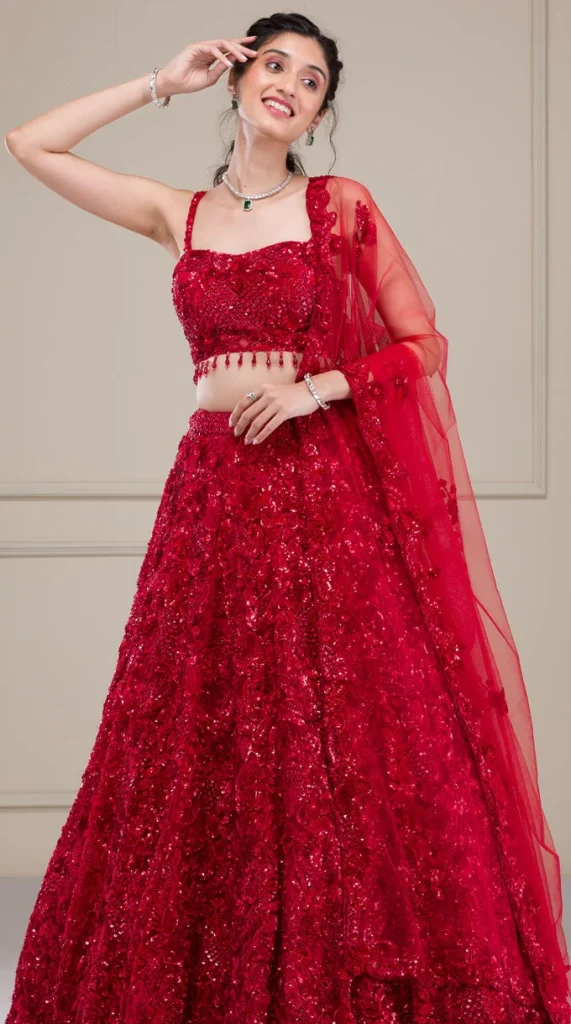
Women and girls often wear sharara suits during Diwali, Eid, Navratri, weddings, parties, and family functions. The sharara suit looks stylish and trendy while also providing comfort. Women of all ages can wear it easily because it comes in many colors and designs. This outfit beautifully combines traditional and modern fashion.
Today, designers create sharara suits with mirror work, thread work, gota patti, and heavy embroidery. Bollywood actresses also promote this style by wearing such outfits at events. The sharara suit has become a fashionable and popular dress in modern times. It represents a beautiful blend of tradition and modern style. When women wear this outfit on special occasions, it enhances their beauty and confidence.